
Jul 13, 2026
ASTM A312 TP304 vs TP316 differences
What makes ASTM A312 TP304 and TP316 different is how much molybdenum they have and how well they stop rust. 18–20% chromium and 8–12% nickel make up ASTM A312 304 Stainless Steel Pipes. They are very resistant to rust and are easy to shape, which makes them good for mild climates. But TP316 has the same amount of chromium and nickel as TP316 plus 2% to 3% molybdenum. This makes it stronger against acids, chlorides, and the air at sea. With molybdenum added, TP316 is a better choice for tough chemical handling, places near the coast, and hardware used in pharmaceuticals. To be fair, TP304 is still a good choice for building, preparing food, and less tough industrial settings.
|
|
|
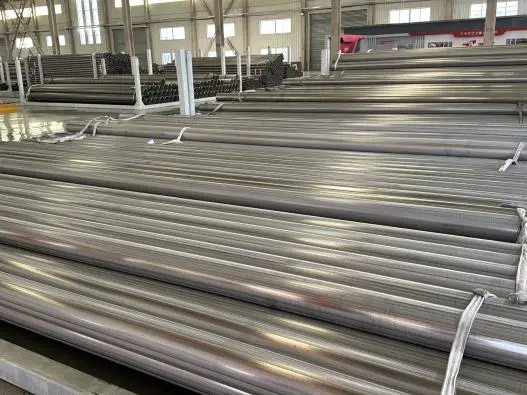
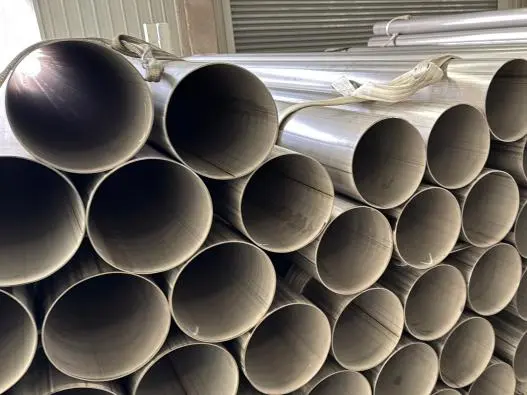
Understanding ASTM A312 Stainless Steel Pipe Specifications
This is what the ASTM A312/A312M-22 standard states regarding austenitic stainless steel lines for hot and acidic environments. These restrictions apply to frequently welded, smooth, and cold-worked pipes. This regulation is the global norm for ensuring accurate measurements, strong parts, and material tracking in all electrical, chemical, and medication supply chains.
Chemical Composition and Metallurgical Foundations
Balance helps ASTM A312 304 Stainless Steel Pipes operate well under challenging settings. Carbon remains at 0.08%, manganese at 2.00%, while chrome and nickel are modified. This creates a hydrogen-resistant austenitic lattice. The austenitic phase remains non-magnetic following steel cooling. Despite -196°C temperatures, it is challenging.
TP316 adds 2.0%–3.0% molybdenum to this base. This improves the inactive chromium oxide layer and reduces pitting rust in chloride-containing solutions. Chromium-nickel metals used in water plants, offshore platforms, and wood cleaning break down fast. This element update addresses some of the greatest difficulties there.
Mechanical Properties and Heat Treatment Requirements
The tensile strength of both kinds must be 515 MPa (75 ksi) and the yield strength 205 MPa (30 ksi), per ASTM A312. Solution annealing over 1040°C (1900°F) and cooling fast in water or air prevents grain boundary chromium carbide formation. Due to this, welded pieces rust between grains.
Wall thickness may be +22.5 to +15.5% or -12.5%. This allows industrial variances while maintaining hydraulic flow estimates. Schedules range from 5S to XXS, and diameters are NPS 1/8" to NPS 48" (DN6 to DN1200). This allows precise pressure selection.
Core Differences Between ASTM A312 TP304 and TP316 Pipes
Real-world rust rates and operation costs across several sectors show the performance differences between these kinds. Now that these developments are known, buying teams may choose durable materials over pricing.
Corrosion Resistance in Aggressive Environments
In fresh air, water, and weakly reactive acids like diluted nitric acid, TP304 always works. When air is abundant, the chromium oxide passive film self-repairs. This prevents uniform corrosion. If chloride levels are above 200 ppm, pitting and crevice rust begin at grain edges and rough surfaces, making it unusable.
Marine locations less than 1 kilometer from seawater, chemical storage tanks with hydrochloric or sulfuric acids, and pharmaceutical autoclaves with chlorine-based cleaning chemicals are safer with TP316. According to ASTM G48 Method A investigations for accelerated rust, TP316 can withstand 6% ferric chloride solutions at 50°C for a long period without critical pits, TP304 breaks down soon.
Molybdenum is important in the water because it stabilizes the passive layer. TP316 outlasts ASTM A312 304 Stainless Steel Pipes (TP304) by 40–60% in naval pipe systems, offshore drilling platforms, and filtration membrane housings. This is despite the material costing 15–25% extra.
Manufacturing Options and Structural Considerations
Seamless pipes have no weld breaks, which may cause corrosion in hostile conditions. This is the only technique to create things in supercritical water reactors, high-pressure steam systems, and hydrogen compression facilities where weld safety is still crucial. For widths above NPS 12", welded pipe is cheaper than seamless. At these scales, seamless manufacturing is very costly, and wall thickness uniformity worsens.
Cost Analysis and Long-Term Value
Sometimes, TP316 raw materials cost 20–30% more than TP304. If you purchase in quantity, particularly from integrated manufacturers with molybdenum in stock, this gap might be minimal. Procurement teams should account for downtime, maintenance, and replacement periods to calculate the total cost of ownership.
However, a chemical processing factory may cost $45,000 for TP304 pipes and $58,000 for TP316 pipes with the same characteristics. If the TP304 system has to be replaced after 8 years due to localized corrosion and the TP316 system lasts 15 years, the higher-grade material is cheaper over a year due to installation work, production interruptions, and disposal.
How to Select the Right ASTM A312 Stainless Steel Pipe for Your Project
When choosing materials, consider the environment, mechanical stresses, regulatory constraints, and supply chain capabilities. This structured approach prevents expensive design errors that prematurely fail materials or require unnecessary upgrades.
Environmental and Chemical Exposure Assessment
TP316 is needed when chloride ions exceed 200 ppm, operational temperatures vary and cause thermal wear, or when reducing acids, such as sulfurous chemicals, touch pipe surfaces. TP316 is always requested by fuel cell, battery module cooling, and hydrogen production electrolyzer manufacturers along the shore to guard against localized assault.
Comparing Alternative Grades and Materials
You may purchase TP304L and TP316L with 0.030% less carbon. This prevents sensitization in thick-section welded assemblies without post-weld heat treatment. These low-carbon variants are suitable for surgical tools, hydrogen production equipment, and cryogenic storage tanks where intergranular corrosion is undesirable.
TP321 stabilizes carbon using titanium carbides instead of chromium carbides. High-temperature exhaust systems, airplane structural components, and power plant expansion joints exceeding 500°C benefit from this. TP347 stabilizes carbon with niobium, which is better for nuclear reactor cooling circuits and high-temperature petrochemical crackers.
Carbon steel alternatives are 60–75% cheaper than austenitic stainless steel, such as ASTM A312 304 Stainless Steel Pipes, but they must be coated, cathodic protected, and tested often. Where carbon steel corrodes more quickly than 0.5 mm per year, stainless steel offers reduced lifespan costs.
Supplier Qualification and Quality Verification
Your items may be tracked and tested if you purchase from ISO 9001, PED, and ISO 17025 laboratories. EN 10204 Type 3.1 or 3.2 material test reports establish chemical composition by optical emission spectroscopy and mechanical qualities by tensile testing.
Request mill test certificates, positive material identification records, hydrostatic test reports, and non-destructive inspection findings if required. Reliable vendors log raw material heat numbers, which helps you diagnose field failures. Third-party inspection services may monitor manufacturing, sizing, and heat treatment cycles for critical usage where a different material might be problematic.
More than one manufacturing line and 50,000 tons of yearly capacity suppliers store more inventory and can satisfy quicker delivery requirements. Flexible commercial terms for operations, maintenance, and repair are available with a one-pipe minimum purchase. Volume pricing and specialized manufacturing runs help hundreds-ton projects.
Procurement Insights: Ordering ASTM A312 TP304 and TP316 Stainless Steel Pipes
Projects must acquire what they need at competitive pricing and on schedule. Strategic procurement ensures supply chain reliability and material authenticity.
Certification and Compliance Verification
ASTM A312 provides solution annealing instructions. Use metallography to verify a grain size of 7 or above. Chemical analysis requires calibrated spectrometric equipment connected to recognized reference materials. Write results on quality assurance-signed mill test certificates.
Positive material identification, tiny X-ray fluorescence testers may swiftly assess chromium, nickel, and molybdenum levels in a product during receipt evaluation. If it doesn't harm the pipes before they're constructed, this procedure can discover replacement material and grade-matching errors. This prevents costly maintenance and safety issues.
Bulk Purchasing Strategies and Lead Time Planning
Popular sizes and grades require 30–45 days to create, according to most manufacturers. Faster shipment in 7–10 days is available for a charge if manufacturing capacity permits. Consider when to purchase, how to pass customs, and how long ocean freight takes from Asian industrial centers to U.S. ports (25–35 days on average).
Scale savings in melting, manufacturing, and heat treatment affect minimum order quantities and unit pricing. Less than 5 tons may cost 10–15% more. However, 20-ton promises save money and set production times. Blanket purchase agreements with scheduled releases help manufacturers plan output. These agreements safeguard purchasers' pricing against nickel and molybdenum market movements.
For ASTM A312 304 Stainless Steel Pipes, current prices for smooth TP304 pipe are $3,200–$3,800 per ton. TP316 seamless pipe prices vary by size, wall thickness, and finish. They cost $4,100–$4,900 per ton. When standards are the same, welded alternatives cost 15%–20% less than smooth ones. This gap narrows as breadth increases, making flawless assembly difficult.
Quality Documentation and Traceability Systems
Companies may follow the ASME Boiler and Pressure Vessel Code, FDA medicine regulations, and API oil and gas regulations. Material test findings, PQRs, WPSs, and MPSs should include heat treatment variables.
Non-destructive tests like ultrasonic testing and radiographic inspection that follow ASTM E213 or E1444 are reliable. These tests demonstrate safe and high-quality welding in manufactured items. These reports are particularly important for pressure boundary usage, where unclear defects might cause catastrophic failures.
Case Studies and Practical Applications of ASTM A312 TP304 and TP316
Real-world performance data from numerous firms may teach us about materials and processes. This improves our future purchasing selections.
Industrial Applications and Performance Benchmarking
Food manufacturers in the Midwest employed TP304 pipes in their clean-in-place systems, ingredient transfer lines, and food heating circuits. Maintain passivation and water quality to maintain salt levels below 150 ppm for 12 years. Nothing major has rusted. Annual ultrasonic thickness testing and borescope examinations ensure that all walls are the same thickness and that rust is less than 0.01 mm every year. This demonstrates that TP304 was optimal for this regulated scenario.
However, a coastal desalination facility first chose TP304 for brine-concentrating pipes to save expenditure. Weld heat damage caused cracks that required section replacement after 18 months. When the pipe was updated to TP316, the issue disappeared. Nearly 10-year-old systems exhibit little wear. Some concentrated saltwater has salt levels of 18,000 ppm. This instance illustrates that TP304 can't prevent rust even when properly bonded and heated.
Hydrogen-powered electricity generators always employ TP316L for cooling, gas separation, and electrolyte storage. Low carbon prevents sensitization, while molybdenum resists acidic corrosion. These two pieces solve several failures simultaneously. TP316L satisfies its 20-year design life targets by changing gaskets and cleaning valves. Installation data from various settings shows this.
Maintenance Practices and Service Life Optimization
If you install and maintain properly, the service life will be considerably longer than predicted. After installation, passivation using nitric or citric acid removes iron contamination from the manufacturing process and creates uniformly thick chromium oxide sheets. This safety step is crucial for TP304 near salt, because surface exposure accelerates pitting.
How vital the process is and how awful the environment is should determine how frequently routine inspections of ASTM A312 304 Stainless Steel Pipes are done. Ultrasonic thickness tracking without interference follows consistent corrosion trends. Eye exams reveal surface problems that require attention. Corrosion coupon schemes alert chemical businesses using various feedstocks to changing conditions before they damage output pipelines.
Water in cooling systems, heat exchanges, and air return lines must be maintained to prolong stainless steel life. As long as the pH is maintained between 6.5 and 8.5, salt is reduced, and biocide programs restrict bacteria development, TP304 and TP316 may last decades. No matter the material, it will rust more quickly if you don't worry about water chemistry. These real-world instances demonstrate that choosing the proper things is just half of the service life objective. Metallurgical features, weather, manufacturing quality, and maintenance methods determine how well something functions and how much it costs.
Conclusion
Selecting between ASTM A312 304 Stainless Steel Pipes TP304 and TP316 grades requires systematic evaluation of environmental exposure, mechanical requirements, and lifecycle economics rather than initial material costs alone. TP304 delivers cost-effective performance in moderate environments with controlled chemistry, while TP316's molybdenum content proves essential for chloride-bearing solutions, marine atmospheres, and aggressive chemical processing. Successful procurement depends on verifying material authenticity through comprehensive documentation, partnering with certified manufacturers maintaining quality systems, and implementing appropriate maintenance protocols. The technical specifications, industry case studies, and procurement insights presented here equip decision-makers with practical knowledge to optimize material selection, supplier qualification, and operational practices that maximize service life and project success across diverse industrial applications.
FAQ
Can TP304 pipes be used in marine environments?
As a result of salt causing pitting rust, TP304 should not be used near the ocean or in places less than 1 km away from it. Ocean salt particles in the air stick to things and become more concentrated during wet and dry cycles, which starts a limited attack. If you want to use molybdenum metals in the navy, you should ask for TP316 or better ones like TP317L to make sure they can handle salt.
What are the main differences between TP304 and TP316?
In TP316, there is 2% to 3% molybdenum, but in TP304, there is none. This is the main difference between the two. With this addition, it is much less likely to char or rust in cracks when it is exposed to salt, acids, or high temperatures. It costs about 20–30% more to make TP316 than TP304, but because it lasts longer in tough environments, it often pays for itself in savings on repairs and replacements.
How do I verify ASTM A312 compliance?
To really meet ASTM A312 standards, mill test records must be shown that list the material's chemical makeup, mechanical qualities, heat treatment settings, and measurements. Ask for Type 3.1 material test results that are in line with EN 10204 standards and have the check marks of a third-party inspector. Portable XRF testers can be used to directly check the elements' makeup. Tests of hardness and close examination of marks are two more ways to prove that something is real. Providers you can trust keep their labs ISO 17025-certified and can fully trace their goods back to the steel mill heat numbers.
Partner with YOUFA for Reliable Stainless Steel Pipe Solutions
YOUFASS Stainless Steel Pipe Co., Ltd. brings over seven years of specialized manufacturing experience and 15 dedicated production lines generating 50,000 tons of annual capacity to meet your ASTM A312 stainless steel piping requirements. Our ISO 9001, PED, and TÜV certifications, combined with an ISO 17025 accredited laboratory, ensure every pipe meets stringent quality standards from raw material selection through final inspection. We welcome inquiries from procurement managers, project engineers, and distributors seeking a trusted ASTM A312 304 Stainless Steel Pipes supplier offering complete documentation packages, flexible minimum order quantities starting at a single pipe, and delivery to Tianjin Port within 7 days for urgent requirements. Contact our technical team at info@youfass.com to discuss your specific application requirements and receive detailed quotations backed by our commitment to quality, traceability, and responsive customer service.
Online Message