
Jul 21, 2026
ASTM A312 GR TP316 Stainless Steel Pipes in Chemical Processing
When chemical processing plants face aggressive environments involving chloride-rich solutions, organic acids, and elevated temperatures, standard piping materials quickly fail. ASTM A312 GR TP316 Stainless Steel Pipes address these critical challenges by delivering superior corrosion resistance, thermal stability, and mechanical strength. As a molybdenum-enhanced austenitic grade, TP316 provides exceptional protection against pitting, crevice corrosion, and stress corrosion cracking—conditions that compromise productivity and safety in chemical facilities. These pipes comply with rigorous ASTM A312 standards, ensuring reliable fluid transport across demanding applications where material integrity directly impacts operational efficiency.
|
|
|
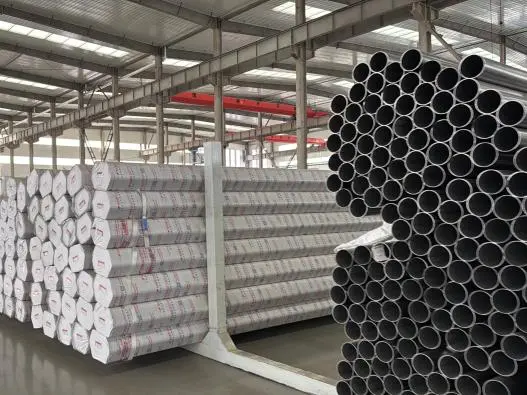
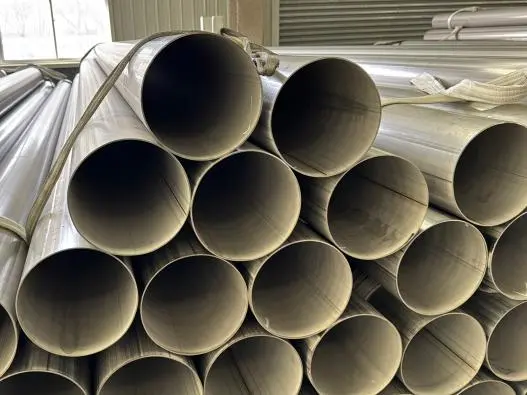
Understanding ASTM A312 GR TP316 Stainless Steel Pipes
The ASTM A312 specification establishes comprehensive requirements for seamless, welded, and heavily cold-worked austenitic stainless steel pipes used in high-temperature and corrosive service conditions. This standard ensures dimensional accuracy, mechanical performance, and material consistency across diverse industrial applications.
Chemical Composition and Material Characteristics
Grade TP316 contains 16.0-18.0% chromium, 10.0-14.0% nickel, and 2.0-3.0% molybdenum. The molybdenum content distinguishes TP316 from TP304, enhancing resistance to chloride-induced corrosion. This composition makes TP316 particularly effective in chemical processing environments where chloride concentrations exceed 200 ppm. Carbon content ranges from 0.08% maximum, providing adequate strength while maintaining weldability. The balanced alloy structure delivers austenitic stability across temperature ranges from cryogenic conditions to 870°C.
Mechanical Properties and Performance Standards
ASTM A312 GR TP316 Stainless Steel Pipes exhibit a minimum tensile strength of 515 MPa and a yield strength of 205 MPa, meeting requirements for high-pressure chemical transport systems. Elongation values typically exceed 35%, indicating excellent ductility for forming and installation. These mechanical properties remain stable during thermal cycling, preventing dimensional changes that compromise joint integrity. Solution annealing and water quenching heat treatments optimize the microstructure, eliminating carbide precipitation that would reduce corrosion resistance. The material maintains structural integrity under cyclic loading conditions common in chemical processing operations.
Size Range and Dimensional Specifications
YOUFA manufactures TP316 pipes in sizes from NPS 1/8" to 48" (DN6 to DN1200), with wall thicknesses ranging from Schedule 5S to XXS. Wall thickness tolerances of +15% to +22.5% and -12.5% comply with ASTM A312 standards, ensuring compatibility with standard fittings and flanges. Both seamless and welded manufacturing processes are available, with seamless pipes preferred for high-pressure applications and welded variants offering cost advantages for larger diameters. Surface finishes include pickled, bright annealed, polished, and passivated options, each suited to specific chemical media and cleanliness requirements.
Why ASTM A312 GR TP316 Pipes Are Ideal for Chemical Processing
Chemical processing environments present unique material challenges that TP316 stainless steel effectively addresses. The combination of corrosion resistance, thermal performance, and mechanical durability positions this grade as the preferred choice for critical piping systems.
Superior Corrosion Resistance in Aggressive Media
TP316's molybdenum content provides exceptional resistance to chloride solutions, sulfuric acid at moderate concentrations, and phosphoric acid. Unlike carbon steel, which experiences rapid general corrosion in acidic environments, TP316 develops a stable passive oxide layer that regenerates when damaged. The material withstands concentrations of up to 10% sulfuric acid at temperatures below 60°C without significant corrosion rates. In chloride-containing environments, TP316 demonstrates a pitting resistance equivalent number (PREN) of approximately 24-26, substantially higher than TP304's 18-20.
Acetic acid transport systems using ASTM A312 GR TP316 Stainless Steel Pipes benefit from TP316's resistance to organic acid attack, particularly at elevated temperatures where other materials fail. Chemical plants processing fertilizers, pharmaceuticals, and specialty chemicals rely on TP316 to prevent contamination and maintain product purity. The material's resistance to crevice corrosion proves critical in flanged connections and threaded joints where stagnant conditions promote localized attack.
Thermal Stability and High-Temperature Performance
TP316 maintains mechanical properties and corrosion resistance at temperatures up to 870°C, exceeding TP304's practical limit of 815°C. This thermal capability supports chemical processes requiring elevated temperatures for reaction kinetics and product purification. The material exhibits minimal thermal expansion coefficient changes across operating ranges, reducing stress on pipe supports and expansion joints. Heat exchanger applications benefit from TP316's thermal conductivity of 16.2 W/m·K at 100°C, facilitating efficient heat transfer while resisting thermal fatigue.
Long-Term Durability and Maintenance Advantages
TP316 pipes deliver lifecycle cost advantages through reduced maintenance requirements and extended service life. Chemical facilities report operational periods exceeding 20 years without replacement when proper material selection and installation practices are followed. The material's resistance to erosion-corrosion maintains wall thickness integrity in high-velocity flow applications where particulates are present. Maintenance intervals extend significantly compared to carbon steel systems, requiring frequent inspection and replacement.
Welded joints in TP316 piping maintain corrosion resistance equivalent to the base material when proper procedures are followed. The grade's weldability without post-weld heat treatment simplifies installation and repair activities. Passivation treatments restore surface oxide layers after fabrication, ensuring consistent corrosion protection throughout the system. These characteristics reduce unplanned downtime and associated production losses in chemical processing operations.
Procurement Guide: How to Buy ASTM A312 GR TP316 Stainless Steel Pipes
Securing certified, high-quality TP316 pipes requires careful supplier evaluation and specification verification. Procurement decisions impact system reliability, regulatory compliance, and total project costs.
Supplier Qualification and Certification Requirements
Reputable suppliers maintain ISO 9001 quality management certification, demonstrating consistent manufacturing processes and traceability systems. PED certification indicates compliance with European pressure equipment directives, essential for plants operating under international standards. ISO 17025 laboratory accreditation ensures testing capabilities meet international metrology standards. YOUFA holds these certifications alongside TÜV verification, providing procurement managers with confidence in material authenticity.
Factory-direct purchasing of ASTM A312 GR TP316 Stainless Steel Pipes eliminates intermediary markups while ensuring access to complete material traceability documentation. Material test reports (MTR) conforming to EN 10204 3.1 or 3.2 standards should accompany each shipment, documenting chemical composition, mechanical properties, and heat treatment verification. Third-party inspection services validate dimensional conformance and surface quality before shipment, reducing receiving inspection costs.
Pricing Factors and Order Considerations
YOUFA accommodates minimum order quantities of one pipe for ASTM A312 GR TP316 Stainless Steel Pipes, supporting prototype development and maintenance applications. Volume orders receive preferential pricing with discounts scaling according to total tonnage. Lead times average 15–30 days for standard specifications, with expedited production available for urgent requirements. Payment terms typically include 30% deposit with the balance against shipping documents, though established customers may negotiate extended terms.
Quality Assurance and Testing Protocols
Comprehensive testing verifies material compliance with ASTM A312 requirements. Hydrostatic testing confirms pressure integrity, with test pressures calculated according to pipe schedule and grade. Non-destructive examination, including ultrasonic testing, detects internal flaws in seamless pipes, while eddy current inspection identifies surface discontinuities. Intergranular corrosion testing per ASTM A262 Practice E verifies proper heat treatment and carbide structure.
Positive material identification (PMI) using X-ray fluorescence spectroscopy confirms alloy composition at receiving inspection. Mechanical property verification through tensile testing and hardness measurements ensures the material meets strength requirements. Dimensional inspection validates outer diameter, wall thickness, and length tolerances. YOUFA provides complete documentation packages including WPS/PQR records, material test certificates, and inspection reports supporting customer quality systems.
Comparing ASTM A312 GR TP316 Pipes with Alternatives
Material selection significantly impacts chemical processing system performance, maintenance requirements, and lifecycle costs. Understanding grade differences enables informed engineering decisions.
TP316 Versus TP304: Corrosion Resistance Analysis
ASTM A312 GR TP316 Stainless Steel Pipes, compared with TP304, contain no molybdenum, limiting their application in chloride-containing environments. Pitting corrosion initiates at chloride concentrations as low as 50 ppm in TP304, while TP316 resists attack at concentrations exceeding 200 ppm. Coastal chemical plants and facilities using brackish water cooling systems benefit from TP316's enhanced chloride resistance. The cost premium of approximately 15–20% for TP316 proves economical when avoiding premature failure and replacement costs.
Temperature influences material selection, with TP316 maintaining corrosion resistance at elevated temperatures where TP304 experiences accelerated attack. Sulfuric acid service at concentrations of 5-10% and temperatures of 40-60°C requires TP316 to prevent excessive corrosion rates. Pharmaceutical manufacturing environments using aggressive cleaning chemicals specify TP316 to ensure system longevity and product purity.
TP316 Versus TP316L: Carbon Content Considerations
Alternative Materials: Carbon Steel and Duplex Stainless Steel
Carbon steel offers initial cost advantages but requires protective coatings and frequent maintenance in chemical service. Corrosion allowances increase wall thickness requirements, adding weight to support structures. Total lifecycle costs typically favor stainless steel despite higher initial material expenses. Duplex stainless steels provide superior strength and chloride resistance compared to TP316, but at substantially higher costs. Applications involving high chloride concentrations and elevated pressures justify duplex grades, while general chemical processing remains well-served by TP316.
Best Practices and Case Studies in Chemical Processing Applications
Real-world installations demonstrate TP316's performance capabilities and inform optimal design practices.
Successful Chemical Plant Implementations
A major phosphoric acid production facility replaced carbon steel piping with ASTM A312 GR TP316 Stainless Steel Pipes, eliminating annual maintenance shutdowns for corrosion-related repairs. The installation handles 85% phosphoric acid at 70°C, conditions causing rapid carbon steel failure. After eight years of operation, ultrasonic thickness measurements show less than 0.1 mm wall loss, confirming material selection validity.
An acetic acid distillation system upgraded to TP316 piping resolved contamination issues from iron oxide particulates shed by carbon steel. Product purity improved to pharmaceutical grade specifications without additional filtration equipment. The installation utilized a bright annealed surface finish, minimizing surface roughness that could harbor bacteria or promote localized corrosion.
Installation and Welding Recommendations
Proper installation practices maximize the performance and longevity of ASTM A312 GR TP316 Stainless Steel Pipe systems. Pipe supports should accommodate thermal expansion without inducing excessive stress concentrations. Welding procedures must employ low-carbon filler metals such as ER316L to prevent sensitization. Interpass temperatures should not exceed 150°C, and heat input should remain below 2.5 kJ/mm to minimize grain growth. Post-weld passivation using nitric-hydrofluoric acid solutions restores chromium oxide layers, ensuring corrosion resistance continuity across welds.
Avoid contact between stainless steel and carbon steel during fabrication and storage to prevent contamination that initiates pitting corrosion. Use stainless steel wire brushes and cutting tools dedicated exclusively to stainless materials. Protect installed piping from weld spatter and grinding debris that embeds iron particles, causing surface corrosion.
Emerging Trends in Chemical Processing Piping
Automation in chemical processing increases demand for reliable piping systems supporting continuous operations. TP316's proven performance aligns with Industry 4.0 initiatives emphasizing predictive maintenance and asset reliability. Electropolished surface finishes gain adoption in pharmaceutical chemical processing, reducing bacterial adhesion and simplifying cleaning validation. Advanced welding technologies, including orbital welding, deliver consistent weld quality while reducing labor costs and improving schedule performance.
Conclusion
ASTM A312 GR TP316 Stainless Steel Pipes provide chemical processing facilities with reliable, corrosion-resistant fluid transport solutions. The material's balanced combination of mechanical strength, thermal stability, and chemical resistance addresses the challenging conditions present in modern chemical plants. Proper material selection, supplier qualification, and installation practices ensure optimal system performance and extended service life. YOUFA's comprehensive manufacturing capabilities, quality certifications, and technical support enable procurement teams to specify TP316 piping with confidence, knowing material integrity and documentation meet stringent industry requirements.
FAQ
What distinguishes TP316 from TP304 stainless steel pipes?
TP316 contains 2-3% molybdenum, significantly enhancing resistance to chloride-induced pitting and crevice corrosion compared to TP304. This makes TP316 the preferred choice for chemical processing environments with chloride exposure, brackish water, or marine atmospheres. The approximate 15-20% cost premium proves economical when preventing premature failure.
How do I verify ASTM A312 compliance?
Request material test reports (MTR) conforming to EN 10204 3.1 or 3.2 standards from your supplier. These documents detail chemical composition, mechanical properties, heat treatment verification, and dimensional conformance. Independent third-party inspection services can validate material authenticity through PMI testing and dimensional verification. YOUFA provides complete traceability documentation, including test certificates and inspection reports.
What factors influence TP316 pipe pricing?
Manufacturing process (seamless versus welded), wall thickness schedule, diameter, surface finish, order quantity, and current nickel market prices all impact total cost. Seamless pipes and heavier wall thicknesses command premium pricing. Volume orders receive quantity discounts, with typical pricing varying significantly depending on specifications and prevailing market conditions.
Partner with YOUFA for Certified Stainless Steel Piping Solutions
YOUFA delivers comprehensive stainless steel piping systems backed by ISO 9001, PED, and TÜV certifications. Our 15 production lines and 50,000-ton annual capacity ensure a reliable supply for chemical processing projects of any scale. As a trusted ASTM A312 GR TP316 Stainless Steel Pipes manufacturer, we provide complete documentation, including MTR certificates, WPS/PQR records, and inspection reports supporting your quality requirements. Minimum order quantities of one pipe accommodate prototype development and maintenance applications, while volume orders receive competitive pricing and priority scheduling. Contact our engineering team at info@youfass.com to discuss your chemical processing piping requirements and receive detailed technical specifications tailored to your application parameters.
Online Message