
Nov 19, 2026
ASTM A249 TP316 TP316L Weld Steel Pipe for Industrial Heat Exchangers
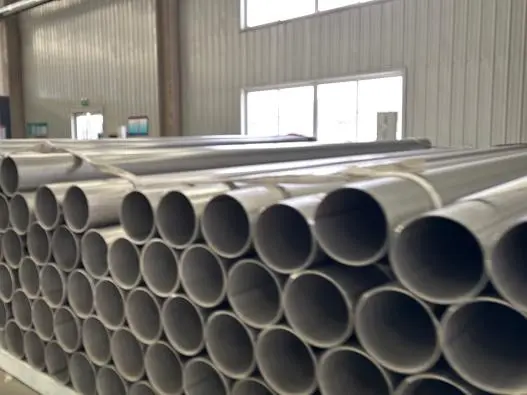
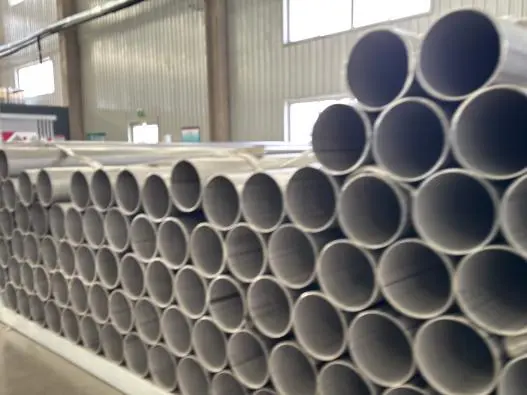
The ASTM A249 TP316 TP316L Weld Steel Pipe is a welded austenitic stainless steel tube designed for heat exchangers, condensers, and boilers that work with fluids that are hard to clean. TP316 and TP316L have 2–3% molybdenum in them, which makes them better than TP304 at resisting chloride pitting. TP316L caps carbon at 0.035 percent, which means that it doesn't rust after being welded. We sell this tube at YOUFA in 1/8" to 12" OD and 0.015" to 0.320" wall thickness, and it comes with MTC 3.1/3.2 documents. This guide helps people in the US choose the grade, read the specs, check the quality, and make a clear inquiry.
|
|
|
ASTM A249 TP316 and TP316L Specification Basics
What ASTM A249 Covers
In the search for "welded steel pipe," many people find ASTM A249/A249M, which refers to welded austenitic steel tubes for boilers, superheaters, heat exchangers, and condensers. The word "tube" is important here. Designers can accurately figure out the heat-transfer area and tube-sheet fit because tubes are sized by their outside diameter and wall thickness. Instead, pipes use nominal sizes and schedules. When a pressure-code job calls for it, the same thing is often sold under the ASME label SA-249. We first make sure that the buyer wants an A249 tube when they ask for "316 pipe" for a heat exchanger. That one detail decides the tests, tolerances, and content of the certificate. It also makes it possible for quotes from different suppliers to be compared.
Chemistry and Mechanical Requirements
The core alloy of both grades is the same, with 16.0% to 18.0% chromium, 10.0% to 14.0% nickel, and 2% to 3% molybdenum. The main difference between them is carbon. It's up to 0.08% for TP316 and up to 0.035% for TP316L. Strength is a little different. Strong enough to hold weight at 515 MPa (75 ksi) and bend at 205 MPa (30 ksi). Tensile strength of 485 MPa (70 ksi) and yield strength of 170 MPa (25 ksi) are needed for TP316L. At least 35% of the length must be stretched in both grades. Before you accept a shipment, check the heat chemistry and test results on the mill test certificate against these limits.
TP316 vs TP316L vs TP304: Choosing the Grade
Because low carbon stops chromium carbide from forming at grain boundaries, TP316L is easier to weld and keeps its corrosion resistance after welding. TP316 is good for projects that call for it or where the higher strength minimum is important. TP316 is better at resisting chloride corrosion than TP304 because it has more molybdenum. For 316, the average pitting resistance number is around 24, and for 304, it's around 19. Still, there isn't a single grade that works for everyone. When the temperature goes above about 60°C (140°F), chloride stress corrosion cracking can happen in austenitic stainless steels. Be sure to check the flow, temperature, pH, and chloride level before making a choice. YOUFA also sells S31254 and other grades in the same A249 range for tougher use.
Manufacturing, Dimensions, and Quality Checks for Welded Heat Exchanger Tubes
Size Range, Length, and U-Bend Options
ASTM A249 welded tubes from 1/8" to 12" (3.2–304.8 mm) in diameter and 0.015" to 0.320" (0.4–8.1 mm) thick are made by YOUFA, including ASTM A249 TP316 TP316L Weld Steel Pipe for heat exchanger applications. One mill can make both straight bundles and U-tube exchangers because the length can be random, fixed, or U-shaped. Size choices affect pressure drop, fluid speed, and how well the tube and sheet fit together. So, in your RFQ, you should include the OD, the length, the tolerance, and the wall thickness (minimum or nominal). If your tube-sheet holes are tight, you should also say whether they are oval or straight. As soon as possible, let us know your U-bend radius. Thin walls move heat quickly, but they need to be handled and shaped carefully.
Welded Tube Versus Tube Without a Weld Seam
Welded tube starts out as a strip of stainless steel. The mill rolls the strip into a circle, welds the edge along its length, and then heats it. Longitudinal seams are not present in non-welded tube. Some designs need very high-pressure tubes that aren't welded together, or the specification may say so right out. When it comes to heat exchangers, well-made welded tube often costs less and has walls that are the same thickness all the way through. ASTM A249 says that every tube must pass either a hydrostatic or a nondestructive electric test. This means that the weld is checked. Don't just look at price; also look at pressure, temperature, corrosion, forming, inspection scope, schedule, and lifecycle cost.
Testing, Documents, and Traceability
A name like "stainless steel" and a clean surface don't mean it's good. As per ASTM A249. Each tube must go through mechanical tests like flattening and flange tests as well as a hydrostatic or non-destructive electrical test. The finished tube is then linked to the raw coil by a heat number. YOUFA is certified by ISO 9001, PED, and TÜV, and our ISO 17025 lab does the testing. The reports that are available are MTC/MTR (3.1/3.2), TPI, WPS/PQR, MPS, and UT/RT. Before sending, make sure that the certificate, the tube, and the packing list all have the same heat numbers, markings, quantities, and mechanical results.
Where ASTM A249 TP316 and TP316L Tubes Work in Industry
Marine Heat Exchangers
Seawater and brackish water eat away at stainless steel by forming pits and cracks in it. Because it has more molybdenum than TP304, TP316 and TP316L tubes are used in marine heat exchangers and coastal cooling loops. Even when it's warm, the sea can be rough. For chloride duty that is very harsh, a higher alloy grade like S31254, which YOUFA also sells, might work better. It also helps to have good design. Maintain high water speed, stay away from areas where the water doesn't move, and limit deposits, as cracks under deposits allow for localized attack. Let us know the chemistry and temperature of your water, and we'll talk about the right grade.
Pharmaceutical and Sanitary Lines
Food, bioprocess, and pharmaceutical lines need clean surfaces that can drain. A lot of people choose TP316L because it has low carbon, which stops carbides from forming in the heat-affected zone after orbital welding. This keeps the weld area close to the base metal so it doesn't rust. YOUFA lets you choose bright annealing as a delivery condition. This makes the tube surface smooth and clean. When your project calls for it, passivation or electropolishing can come next. If your machine uses orbital welding, make sure the ovality and straightness are tight. Fit-up affects the quality of the weld. Also, make sure you check the cleaning products because some hand sanitizers contain chlorides that can damage stainless steel.
Power Condensers and Process Cooling
Heat recovery units, feedwater heaters, and steam surface condensers can work for years with changing temperatures and the chemistry of the cooling water. TP316L is good for these jobs when the water has chlorides in it, but designers still need to keep an eye on the temperature and residual stress because chloride stress corrosion cracking can affect austenitic grades. In other fields, US buyers use tubes like these in thermal loops. Some examples are cooling skids for hydrogen electrolyzers and fuel cells, semiconductor process chillers, battery test equipment, heaters for electroplating baths, and support equipment for medicine or space travel. Corrosion resistance, clean surfaces, and steady sizes are important in these fields. Before you choose TP316L, compare the corrosion data to the chemistry of the fluid or bath.
How to Choose a Supplier, Compare Price, and Plan Delivery
How to Evaluate a Supplier
As a first step, find out if the person you're dealing with is a tube mill, a stockholder, or a trader. A mill can talk about the steps it takes to shape, weld, and heat-treat metal and show how much it can make. YOUFA was started in 2017 and has 15 production lines that make 50,000 tons of goods every year. Our company is one of the Top 500 in China and has more than 200 employees. We offer a complete range of stainless steel piping services. Quality starts with steel that comes from well-known sources and is managed in a way that can be tracked. Ask any company that makes ASTM A249 TP316 TP316L Weld Steel Pipe for sample certificates, inspection procedures, and help from a third party for inspections. For project work, we also offer technical support and on-site commissioning.
What Drives Price
TP316 and TP316L prices change most when nickel and molybdenum prices change. The order quantity, size, wall thickness, finish, tolerance, testing scope, and packaging all play a role in it. A simple price per kilogram can hide problems with documentation, the chance of being rejected, and delays in installation, so look at the whole offer. For each quote, make sure it says the ASTM edition, grade, size, tests, and type of certificate. YOUFA lets you order as little as one pipe, which is helpful if you need samples, a repair part, or a test order before signing a big deal. After you review the sample, you can move on to planning for bulk and OEM.
Lead Time, Packaging, and Shipping
Separate the time it takes to make something from the time it takes to get it to the customer. It takes 7 days for YOUFA to deliver to Tianjin Port, and it takes another 3 days for ocean freight to get to the US. Ask for a schedule that shows both times. Tubes are shipped in wooden boxes that can have a steel frame added if desired. Bundles are held together with hexagonal binding and a woven bag. This packaging keeps surfaces and tube ends from getting wet or scratched. To make sure that the documents and cargo match, agree on Incoterms, marking, and destination when you get the quote. Let us know early on what date you need the items delivered, and we'll let you know which lengths and sizes will work.
How to Avoid Procurement Mistakes and Write a Clear RFQ
Common Procurement Mistakes
A broken order is where most problems begin. It's not clear what "316 stainless steel pipe" means without knowing about ASTM A249/A249M, the product form, dimensions, tests, or documents. It doesn't take carbon limits or weld service into account when TP316 and TP316L are treated as interchangeable. Some other mistakes people make are skipping ovality limits, picking the cheapest option, and taking generic certificates that can't be tracked. Check the standard edition, mechanical results, dimensional reports, heat numbers, and packaging before you pay. Ask questions early on; a short technical call will usually cost less than a lot that is turned down. A responsive supplier will give you clear, direct answers to those questions.
Purchase Specification Checklist
With a clear purchase specification, engineering needs can be turned into tasks that can be measured. Include the edition and standard (ASME SA249 or ASTM A249M), the grade (TP316 or TP316L), the use, and the amount. You need to add the OD, wall thickness, length, U-bend radius, and any tolerances. Type in the surface finish, how the end will be prepared, and the heat treatment. Set the tests, the type of certificate (like EN 10204 3.1 or 3.2), and the terms for third-party inspection, marking, packing, and delivery. Ask each supplier to list the price, lead time, stock level, manufacturing location, and how it handles problems that don't meet standards. Drawings help when your design needs to be shaped in a certain way.
Delivery Condition and Surface Finish
YOUFA sells ASTM A249 tubes that have been either solution-annealed or bright-annealed. Solution annealing gets rid of harmful carbides and makes the metal resistant to corrosion again after it has been shaped and welded. Bright annealing takes place in a controlled environment and leaves a clean, smooth tube surface that can be used on sanitary and clean-process equipment. Tell the supplier if the fabrication will be bending or expanding so that the heat treatment works with your process. Check the treatment of the U-bent tube if your specification says it needs to be heated after it has been formed. Needs for pickling and passivation should also be in the RFQ so that everyone reads the same instructions.
Conclusion
They are welded stainless steel tubes that move heat in boilers, condensers, and industrial process heat exchangers. ASTM A249 TP316 TP316L Weld Steel Pipe is made up of these tubes. There is about 2% to 3% molybdenum in both TP316 and TP316L. This makes them more corrosion-resistant than TP304 in many situations. Because TP316L has less than 0.035 percent carbon, there is less chance of sensitization and intergranular corrosion in places where it is welded. People who are looking to buy ASTM A249 TP316 TP316L Weld Steel Pipe should know that TP316 is better at resisting chloride than TP304. However, both types can still be damaged by chloride-caused pitting and stress corrosion cracking in some cases. This means that the final choice should be based on the fluid's chemistry, its operating temperature, and how it will be used. You can also tell how good a product is by how well it fits its size, how it was delivered, and whether it passes the ASTM A249 tests. It's also very important to have certificates for traceable materials. Welded tubing works well for many types of heat exchangers, but smooth tubing may be better for some high-pressure uses. You should look at more than just price when you get quotes for ASTM A249 TP316 TP316L Weld Steel Pipe. Also, you should look at the paperwork, wait times, inspection needs, and packaging. Lots of people make mistakes when they are buying things. To avoid these mistakes, make sure you give a full specification that includes the standard, material grade, dimensions, surface finish, testing standards, and certificates. The company you choose should make sure that every batch of ASTM A249 TP316 TP316L Weld Steel Pipe meets the agreed-upon technical and quality standards.
FAQ
What is ASTM A249 TP316L pipe?
In order to meet ASTM A249/A249M standards, this 316 stainless steel tube is welded together. It is used in heat exchangers, condensers, and boilers. Carbon stays at a maximum of 0.035%, and molybdenum makes it harder for holes to form. People who buy it often call it a pipe, but it's actually a tube because of its outside diameter and wall thickness.
TP316 vs TP316L: what is the difference?
TP316 lets 0.08% carbon through, while TP316L lets 0.035%. It is easier to weld TP316L, and it keeps its corrosion resistance after welding. TP316's minimum tensile strength is 515 MPa, a little higher than 485 MPa.
TP316 vs TP304: which is better?
Because it has molybdenum in it, TP316 is better at resisting chloride corrosion. For less money, TP304 works well in milder water and many food applications. Pick based on cost, temperature, and chloride level.
Request ASTM A249 TP316 TP316L Weld Steel Pipe Quotes from YOUFA
Want to find a company that sells ASTM A249 TP316 TP316L Weld Steel Pipe? Email YOUFA at info@youfass.com with your grade, OD, wall thickness, length, finish, quantity, and where the goods are going. We have 15 production lines that can make things, and we take orders for 1 pipe. We also provide MTC 3.1/3.2 and TPI documents. For more information, go to youfass.com. Our team will get back to you with a clear technical and business quote.
Online Message