
Nov 20, 2026
ASTM A249 TP310 TP310S SS Condenser Tubes for Power Plant Applications
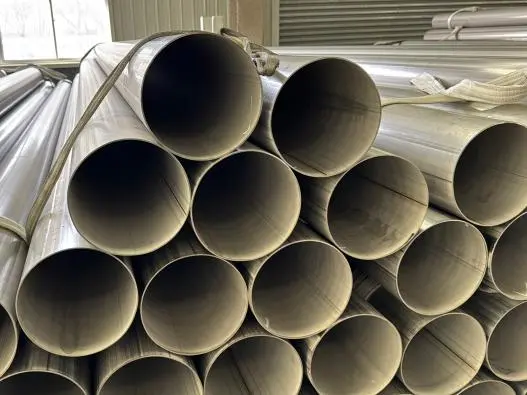
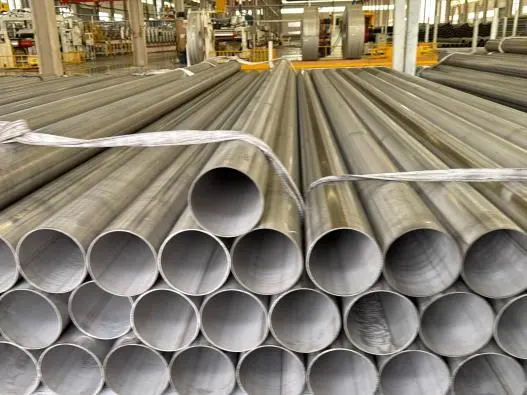
It is always the same when ASTM A249 TP310 TP310S Ss Condenser Tubes are made. These tubes can be used in heat exchangers, boilers, superheaters, and condensers. The austenitic stainless steel used to make these tubes is solution-annealed so that they can withstand rough, high-temperature use. ASTM A249 TP310 TP310S Ss Condenser Tubes come in two different types, but they are both made of the same material. TP310 and TP310S both have between 24% and 26% nickel and 19% and 22% chromium. They won't rust or break down in high-temperature environments because of this. It is better for uses that require a lot of welding because TP310S has less carbon in it. Because of this, grades 304 and 316 don't work as well at high temperatures or thermal cycling as ASTM A249 TP310 TP310S Ss Condenser Tubes. You can use this guide to pick the right grade of ASTM A249 TP310 TP310S Ss Condenser Tubes, look at the material certificates and technical paperwork, and get a clear, detailed quote.
|
|
|
ASTM A249 TP310 and TP310S Specifications and Properties
What Is ASTM A249 TP310/310S Tube?
In the boiler, superheater, heat exchanger, and condenser, ASTM A249 and A249M cover the tubes. Strong austenitic steel is used to make these tubes. The ASME SA-249 specification is often used with the ASME Boiler and Pressure Vessel Code in US projects. A TP310 or TP310S tube is made by heating a strip of steel and joining it along its length. The stainless steel used to make these tubes can handle high temperatures. To meet the standard, you have to make things, heat them, test them chemically and mechanically, look at their surfaces, and do either hydraulic or non-destructive electrical tests. The grade, edition, size, and any other needs should be written on the order form because it comes in many grades.
Chemical Composition and Mechanical Properties
The oxide scale that stops oxidation is made up of chromium, and nickel keeps the structure austenitic and flexible. Copper and nickel make up about 24% to 26% of each type. Nickel makes up 19.0% to 22%. TP310S only lets it be 0.08 percent, but normal 310 makeup lets it be up to 0.25 percent. This is what makes them different. How many copies do you want? Check the order's edition name to see. The yield strength for TP310S must be at least 205 MPa (30 ksi), and the tensile strength must be at least 515 MPa (75 ksi). There is no heat or cold in these numbers. In ASME Section II, Part D, it says how much force is okay at the temperature that was chosen.
Mill Test Certificates and Traceability
When buying ASTM A249 TP310 TP310S SS Condenser Tubes, buyers need to make sure that the products that are sent to their facility meet the quality and inspection standards that were set. A mill test certificate should clearly show the grade of the material, its heat number, chemical makeup, the results of the mechanical test, information about the heat treatment, and the results of any necessary electric or hydrostatic tests. People in the US who buy ASTM A249 TP310 TP310S Ss Condenser Tubes can also ask for EN 10204 Type 3.1 inspection certificates and third-party inspections if the project requirements call for them. Before the tubes get to the building, check that they can be tracked by comparing the heat numbers on the certificates with the marks on the tubes themselves. Another way to make sure the quality is good is to have someone else look over samples of the product. YOUFA gets its steel from well-known sources and keeps records that can be used to prove the authenticity of its materials. When buying ASTM A249 TP310 TP310S Ss Condenser Tubes, this paperwork is especially important because it helps buyers make sure of the quality of the materials, make sure they follow the rules, and lower the risk of getting products that don't meet project requirements.
TP310 vs TP310S: What Is the Difference?
Carbon Content and Weldability
CO2 is the first thing that makes it different. The TP310S checks to see if the carbon level stays at or below 0.08%. Chromium carbide is less likely to form around the edges of grains when they are fused or heated for a long time. Sensitization is the name for this state. It means that corrosion resistance may not be as strong. This is the main reason TP310S is chosen for heat exchanger and condenser assemblies that are joined from the top down. Steel gets stronger when it gets hot, which is why there are grades like 310H. Both TP310 and TP310S use solution annealing to get rid of carbides, so you should pay close attention to the heat treatment records for both. Also, make sure that the name you want to buy is in the same version of the standard that you use.
Strength, Oxidation Resistance, and Thermal Cycling
Both types have about the same amount of chrome and nickel, so they don't rust as quickly. Thermal cycling is a cool way to show that you thought about how it was made. You should check the surface often when the power goes out because the oxide scale can crack and flake off when the temperature changes a lot. Also, austenitic steel gets bigger than carbon steel, and it doesn't move heat around as well. When setting up the tube supports, expansion gaps, and tubesheet joins, that behavior needs to be taken into account. These points are the same for both TP310 and TP310S, so it doesn't matter what grade you pick.
Chloride Exposure and Comparing Other Grades
Cracks can appear in either grade because of salt stress corrosion. When chlorides, high temperatures, and shear stress all happen at the same time, the risk goes up. The 310 grades are there because they can handle heat, not chlorides. There should be a lot of chlorides in the water or vapor that cools things down. You should look at TP316L, duplex stainless steel, titanium, or metals with more nickel before making a decision. A rapid retube costs a lot more than a quick check of the chemicals in your water for rust. You shouldn't just pick a grade name; instead, you should check each one against the real temperature, stress level, and salt content.
Tube Dimensions, Construction, and Welded vs Seamless
Outside Diameter, Wall Thickness, and Tolerances
How heat moves, how much pressure it can hold, how much flow it can make, how well it can handle movement, and how easy it is to keep up all depend on its shape. In order, you should write down the outside diameter, wall thickness, length, and any tolerances. To be clear, ASTM A249 refers to ASTM A1016 for general rules, like what kinds of changes are okay. The governing code, like ASME Section I or Section VIII, will tell you how thick the walls need to be. You can also use the Heat Exchange Institute's tips for steam surface condensers. Many things are considered, such as the design temperature, the amount of rust and damage that can happen, and the distance between the tubes for support. An engineer checks out both sides of a story. This is better because it lets more heat through but also means there is less room for wear.
U-Bends, Surface Finish, and Packaging
When sourcing ASTM A249 TP310 TP310S Ss Condenser Tubes for U-tube applications, buyers need to pay special attention to the bend radius, ovality, wall thinning along the outer curve, and compatibility with the tubesheet. They should also confirm whether post-bending heat treatment is required by the project specifications or applicable codes and ensure that the process is properly documented. For ASTM A249 TP310 TP310S Ss Condenser Tubes, surface cleanliness and condition should be clearly defined in the purchase requirements, as contaminants and surface defects can affect product performance. Packaging is equally important. End caps and protective packaging help prevent moisture and physical damage during transportation and storage. To avoid iron contamination, carbon steel and stainless steel products should be stored and shipped separately. Proper handling and packaging help ensure that ASTM A249 TP310 TP310S Ss Condenser Tubes arrive in good condition and are ready for installation, reducing the need for on-site repairs and helping buyers save time and costs.
Welded TP310S Tube vs Seamless Tube
ASTM A249 has the rules for tubes that have been welded. With the same type of tubes, like ASTM A213, there are different rules. Engineered heat exchangers can use waxed tubes because they can be long, have walls that are thin all the way through, and come in many sizes. How well they were welded, heated, inspected, and whether they flattened or flared determines how good or bad they are. Smooth tubes can help when you need to work with a lot of pressure, odd shapes, or tough forms. You must, however, make certain that you order them in line with the correct seamless standard. You don't have to ask for "seamless ASTM A249." Look over the product form with your engineer before you agree to a change.
Performance, Applications, and Quality Control in Power Plants
Where Are These Tubes Used?
Fuse boxes, ovens, and other hot places use 310-type tempered glass tubes. They are bought to be used as high-temperature heat exchangers, boiler aids, and waste heat recovery units in power plants. Steel grades 304 and 316 are often used in standard steam surface condensers that cool down with water. Pick the right metal for the job. In mines and chemical plants, boilers and other tools use similar tubes to get heat back into the system. When it's hot, resistance to oxidation is more important than resistance to salt. Which is why they are all used on the hot side.
Corrosion and Operating Conditions to Review
Not only does what something is made of matter, but so does how well it works. You should look at things like chlorides, dissolved oxygen, deposits, erosion-corrosion, vibration, and contact with other metals. There are more things besides exposure time and scale growth that can change how old a tube is. Taking care of the water and condensate is still the best way to keep a condenser going. The Heat Exchange Institute has rules about how steam surface condensers should be made. I think that the RFQ should have a list of the conditions that will be expected at work. The service provider can then let you know ahead of time if there are any problems.
Quality Control and Inspection Tests
An inspection plan with more than one level is made up of different parts. The most important ones are bond strength and heat resistance. These are some common checks.
It can be told what grade it is and how strong it is by chemical and tensile tests. Because the weld is flattened and flared, it is made to be flexible. A water or eddy current test is used on each tube to look for leaks and weld flaws. A test called ASTM E112 grain size analysis is used to check it. The intergranular corrosion test according to ASTM A262 shows that solution annealing stopped carbide sensitization when it was asked to. It's time to check the plan's size and surface. During the whole process of making something, YOUFA uses clear inspection methods and special testing tools.
Buying Guide: RFQ, Pricing, and Supplier Selection
What to Include in Your RFQ
A complete RFQ helps buyers source ASTM A249 TP310 TP310S Ss Condenser Tubes efficiently and reduces repeated questions during the quotation process. It should clearly specify the material grade, applicable standard and edition (ASTM A249/A249M or ASME SA-249), outside diameter, wall thickness, tube length, total quantity, and whether straight or U-shaped tubes are required. When requesting a quotation for ASTM A249 TP310 TP310S Ss Condenser Tubes, buyers should also include testing requirements, packaging specifications, delivery destination, Incoterms, certification, heat treatment, surface finish, end preparation, and inspection procedures. In addition, suppliers need accurate information about the operating temperature, pressure, and chemical composition of the process fluid to assess whether TP310 or TP310S is suitable for the application. Providing these details allows manufacturers to evaluate technical requirements, select the appropriate material, and calculate production and testing costs more accurately. A well-prepared RFQ for ASTM A249 TP310 TP310S Ss Condenser Tubes makes quotations clearer, improves communication, and helps buyers compare suppliers on a consistent basis.
What Drives Price and Lead Time
When the market changes the prices of nickel and chromium add-ons, all stainless steel bids change too. Prices can also change based on the number of items bought, how they are curved, how they are packaged, how much freight is charged, and the inspection scope. Look at more than just the kilo price. Look at the total landed cost, which includes taxes on imports and shipping. Before you place an order, make sure you know the minimum order amount, the production capacity, the wait time, the ability to send parts of the order, and the sample approval for shutdowns, EPC plans, or wholesaler stock. The price stage gives you plenty of time, so your outage window is safe.
Choosing a Supplier and Working with YOUFA
Check to see if the possible provider has the technical know-how, lab tools, quality control systems, and the ability to be audited. They should also have experience exporting. In what form does ASTM A249 appear? How are you checking the weld seams? What kind of heating is being used? Checks are done by who does the provider work with? Ask to see samples of MTCs, inspection records, and pictures of the boxes. A company called Youfa Stainless Steel Pipe Co., LTD has been making 50,000 tons of stainless steel pipes every year since it opened in 2017. We sell thin-walled steel pipes, pipes that are welded together for industrial use, and stainless steel heat exchanger tubes. We can also help with technical issues, set up the system on-site, and work with you through the whole project.
Conclusion
The ASTM A249 TP310 TP310S Ss Condenser Tubes are made of tubes made of austenitic stainless steel that has been joined together with solder. There is about 24% to 26% chromium and 19% to 22% nickel in these tubes. People choose these tubes because they don't oxidize when they get hot. Not as much carbon can get into TP310S as into TP310, so it is more likely that assemblies will be heavily welded and less likely that they will become sensitized. Both grades can still crack, though, because of salt stress corrosion. You can follow the rules and make the right choice based on the needs for temperature, pressure, fluid chemistry, and wall thickness. If two tubes aren't joined together, they have their own set of rules that are different from those in A249. It's of good quality if it has mill test certificates, flaring and flattening tests, hydrostatic or electric tests, and breaks in the grains are checked for corrosion. It's safer to buy things when you have a full RFQ and a written review of the suppliers.
FAQ
What is the difference between TP310 and TP310S for condenser use?
The carbon level must be less than 0.08 percent, according to the TP310S rule. This lowers the chance that the burner will become sensitive. It is often used for heat exchanger and condenser assemblies that are very tightly welded together because of this. If you want to make things, TP310 might work well because it lets you use more carbon.
Can these tubes handle cyclic heating?
Yes, but only up to the limits that the code sets automatically. The metal doesn't rust when it's hot or cold because it has chromium and nickel in it. The scale might fall off if you ride too hard. When the power goes out, look at the tube's surface.
Can I order seamless ASTM A249 tube?
ASTM A249 doesn't cover tubes that have been welded. An engineer must agree with and follow a standard like ASTM A213 in order to make changes to seamless tubes of the same grade.
Are these tubes immune to chloride stress corrosion cracking?
Not at all. Types that are austenitic can break when they are under tensile stress in high-temperature chloride zones. After that, you can choose whether to use TP316L, duplex stainless steel, titanium, or high-nickel alloys in places where chlorine is present.
Request a Quote for ASTM A249 TP310 TP310S Ss Condenser Tubes from YOUFA
YOUFA is happy to hear from power plant buyers, EPC contractors, OEMs, and distributors who are looking for a supplier of ASTM A249 TP310 TP310S Ss Condenser Tubes. Email us at info@youfass.com with your grade, size, wall thickness, quantity, service conditions, and inspection needs. Our team will look over your specifications and get back to you with pricing, production times, and information about the paperwork. We support project supply from order to delivery with 15 production lines that make 50,000 tons of goods every year. For more information, go to youfass.com.
Online Message