
Nov 13, 2026
ASTM A249 TP304 Tubing for Shell and Tube Heat Exchanger Systems
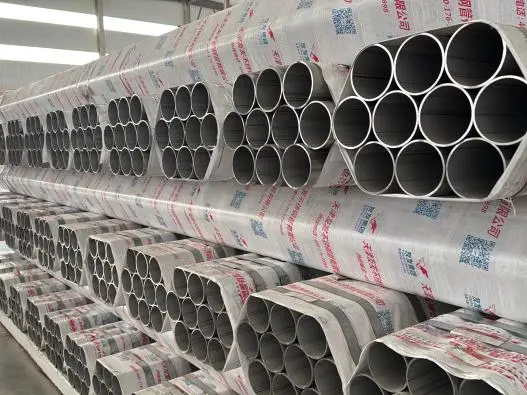
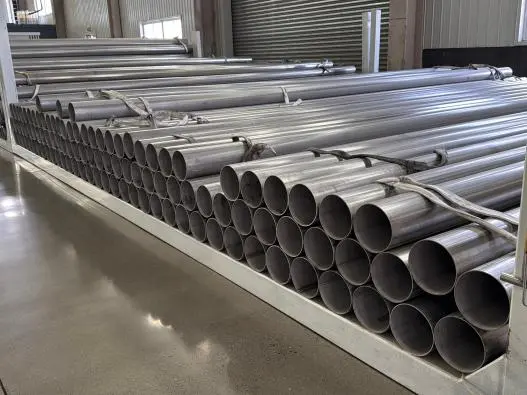
ASTM A249 TP304 Tubing is made up of austenitic stainless steel tubes that have been bonded together. It is used in heat exchangers, boilers, and condensers. In a shell-and-tube converter, something moves through the tube bundle while something else moves around it. Because heat moves across the tube wall, the fluids never mix. TP304 is immune to rust, easy to form, and easy to weld, and it doesn't cost too much. It's good for cooling loops, process water, and a lot of other simple chemical jobs. There are still things like pressure, temperature, salt level, and cleaning method that affect the end choice. We wrote this guide to help buyers feel confident as they pick, compare, and place their order.
|
|
|
Why ASTM A249 TP304 Tubing Fits Shell and Tube Heat Exchangers?
How Does the Tube Bundle Do Its Job?
The outside is shaped like a cylinder, and the inside is made up of a bunch of tubes. Someone or something can move through the tubes while something else moves around the outside. The tube wall separates the two streams and moves heat between them. To keep everyone safe, it's important to clean the tubes often. There is a small hole in the tube that lets the coolant and process fluid mix. ASTM A249 TP304 Tubing is strong and easy to shape. That is, sheets can be made longer, and tubes can be bent into U-shapes. ASTM A249 covers austenitic tubes that are welded together and are used in heat exchangers, condensers, boilers, and superheaters. To put it another way, the job can be done the normal way.
Where TP304 Tubing Is Used?
Power plants, process water systems, condensers, and hardware for food and medicine all use ASTM A249 TP304 Tubing to keep things cool. It is used in acid plants, power plants, and other places where fluids can mix. Electricity, gas, batteries, and processing lines all use heat exchangers to move heat from one place to another. They keep the chillers, electrolyte loops, and rinse water circuits at the same temperature. These places should have clean floors and walls that don't rust. But TP304 isn't always the best option. You might need TP316 or a stronger metal if the water is warm and full of salt or if the bath is salty. Check to see what chemicals are in the fluid first.
What Buyers Should Check Beyond the Grade?
Just because a tube has a grade name on it doesn't mean it's good. You can tell how well it works by how smooth its surface is, how wide its walls are, and how well its welds are done. The walls of some tubes are not all the same thickness. This could cause them to leak where they connect to the tube sheet or wear out unevenly while they're being used. The buy order is the best place to write everything down. Before placing your order, make sure you know the project code, the stress, the temperature, the salt exposure, and the chemicals that will be used to clean up. A mill-test document connects each tube lot to its chemistry and mechanical test results. In case there is a question later, this keeps you safe.
ASTM A249 TP304 Tubing Properties, Dimensions, and Surface Finish
Chemical Composition
The steel used to make ASTM A249 TP304 Tubing is austenitic, which means it is made of chromium and nickel. 18% to 20% of it is chromium, 8% to 11% is nickel, and less than 0.08% is carbon. Iron oxide forms a thin film on chrome's surface that keeps it safe. Nickel stays in its austenitic shape, which makes it easy to shape and bend. When you placed your order, you asked for an ASTM edition. The mill-test certificate should have the same amount of carbon, chromium, nickel, manganese, silicon, phosphorus, sulphur, and iron. What matters most is the chloride. There are cracks and pits that can form when chlorine is added to hot water. TP316 is often used in rough water because it has molybdenum added to it.
Mechanical Properties and Solution Annealing
ASTM A249 TP304 Tubing needs to have a tensile strength of at least 75 ksi (515 MPa) and a yield strength of at least 30 ksi (205 MPa). Also, the grade can bend and stretch at least 35%. This is important for tubes that are moving, being rolled into sheets, or being bent into U-shapes. The fluid gets harder after the cutting is done. The tube goes from 0°F to 1900°F (1040°C) very quickly and then back to 0°F. Chromium carbide can form around the edges of grains. During this solution-annealing step, these are removed. This also makes the weld and heat-affected area less likely to rust.
Dimensions, Length, and Surface Finish
There are many tubes in a tube sheet. This number tells you how the tubes are set up and how much heat they move. The weight, how well it resists rust, and how much pressure it can hold are all affected by how thick a wall is. Welded tubes come with walls that are 0.015" to 0.320" thick and outside diameters that are 1/8" to 12" (3.2 to 304.8 mm). You can set the lengths or make them curve in a U shape. Long pieces that don't break or bend take up less space and are easier on the joints, but be careful when moving them. Bright-annealed tube can be used in places where it needs to be simple to clean and not get dirty too fast. Its surface is clean and smooth, which is why. The solution-annealed tube should work fine for most uses. Before you start making it, make sure you write down the OD, wall, length, straightness, ovality, and end squareness.
Manufacturing, Testing, and Inspection of Welded TP304 Heat Exchanger Tubes
How Is Welded Tube Made?
The first part of ASTM A249 TP304 Tubing is a steel strip. The mill tests, cleans, and cuts the strip into a circle. After that, it welds it along its length. The tube will be good if the weld is good. Things like pressure, temperature, and even dangerous fluids can change, so the mill has to keep an eye on the welding current, shielding gas, and shape of the beads. When you cold-work weld beads, you can make a wall that is the same all the way through and a joint that is smooth. It won't be rough or worn down anymore. YOUFA's 15 lines make 50,000 tonnes of steel every year. You can keep an eye on their raw materials because the steel they buy only comes from known sources that can be tracked.
Tests Required by the Standard
To make sure there are no leaks or damage from the welding, ASTM A249.1 says that each tube must pass either a hydraulic test or a nondestructive electric test, such as eddy current. The weld is checked to see how flexible it is with mechanical tests. Reverse flattening, flare, flange, and flattening are some of the tests that can be done on merged tubes. The grain size for TP321H and other H-types should be, according to ASTM E112. An ultrasound or X-ray exam can be added to a critical duty purchase order. Most of the time, projects that follow the ASME code need SA249 from Section II. Ask the provider what tests are needed for your order and what the limits of acceptance are.
Documents and Acceptance Checks
A tube's meaning is clear. We have reports for UT/RT, TPI, WPS/PQR, MPS, and MTC/MTR (3.1/3.2). It works well to have an easy plan with four steps. Test, pack, and approve the ASTM version, grade, size, finish, and testing before they are made. As the item is being made, check the annealing records, the quality of the welds, the test results, and the heat-number control. Before you send it out, make sure that the markings, reports, and quantity match the order. Once it gets there, look for dents, scratches, stains, and other damage from transport. Write down the heat numbers so you can keep track of them during installation. For big projects, having a third party check them out is a good idea.
Performance, Alternatives, and Selection for Heat Exchanger Projects
Performance Factors in Service
What the tubes are made of is only one part of how well an exchanger works. As the temperature gets close to 100°C, ASTM A249 TP304 Tubing moves only 16 W/m·K of heat, which is a lot less than carbon steel. This is the reason why it's important to have thin walls and easy flow. Different temperatures, the hardness of the surface, the rate of flow, and fouling can all change how heat moves and how much pressure drops. A lot of the time, foulants are things like mineral scale, biological films, suspended solids, and corrosion products. Before you use the cleaner, make sure it will work on TP304. You should check the design code, the water chemistry, and the chloride level in the feedwater before giving boilers and condensers the all-clear.
Comparing Grades and Standards
TP304L can only hold 0.035% carbon, so it is good for heavily welded parts where sensitization is a problem. It is added to TP316 and TP316L with molybdenum to make them stronger against salt. Titanium makes TP321 and TP321H stable, so they can be used in places with high temperatures. The S31254 is chosen for heavy-duty salt work, while the TP310 can handle more heat. YOUFA makes all of these grades, and they all meet the ASTM A249 standard. Don't forget to follow the rules, either. The general-service austenitic tubing for pipelines and instruments is called ASTM A269. The boiler, heat-exchanger, and condenser tubes are called ASTM A249. You should not use them both at the same time. It costs more and is harder to find welded tube than non-welded tube. They are also made in different ways.
Choosing the Right Tube for Your Project
First, talk about the service conditions. These include the fluids on the tube side and the shell side, the temperature, the pH level, the concentration of chloride, the flow rate, the way the system will be cleaned, and how long it should last. Based on these details, we can say whether TP304 fits or not. When you're done, write down everything you know, like the grade, standard, OD, wall, length, finish, heat treatment, testing, tolerances, certificates, and packaging. Checking a provider's price isn't the only thing you should do. You should also look at their manufacturing experience, testing skills, capacity, ability to keep records, and clear technical communication. Any changes to the grade or standard must be agreed upon by the exchanger creator, the end user, and the code authority.
Buying Guide: Quotes, Common Mistakes, and Supply from YOUFA
What Affects Price and Delivery?
Stainless steel prices depend on the market first, then on the size, quantity, length, finish, heat treatment, testing, packaging, and where the steel is going. To get a quick quote, you need to know the item's size, grade, OD, wall, length, quantity, use, finish, certificates, Incoterm, and delivery date. For immediate repairs, stock tubes can be used. For large exchanger jobs that need to keep track of their sizes and shapes, custom production is best. Cover the ends of the tubes to keep water out when you ship something abroad. Don't forget to include packing lists, commercial invoices, certificates, and clear labels with heat numbers. US buyers should check the port, the wait time, and any pre-shipment inspections before they place an order.
Common Mistakes to Avoid
People who don't read the specs carefully can cause most problems with tubing, not mistakes made in the factory. People often make mistakes, like choosing TP304 without checking for salt exposure or thinking that ASTM A249 and A269 are the same. They also choose the best unit price without testing it or reading any paperwork. The wrong OD, wall, length, ovality, or finish can make it hard to set up a tube sheet. When people buy something, they don't think about the lead time, inspection times, or shipping needs. The cleaning chemicals add another risk if they are not checked to see if they work with TP304. If you have a detailed data sheet, an approved inspection plan, and a set date for delivery, you can avoid most of these delays.
Why Work with a Qualified Supplier?
They need to do more than just ship tubes. A skilled technical partner can check the items for inspection, the size, the finish, the packing, and the content of the certificate before production begins. The Youfa Stainless Steel Pipe Co., Ltd. was founded in 2017 and is one of the Top 500 companies in China. More than 200 people work there. There are options for on-site testing, full project planning, and expert help. We back this up with technical cases and the promise of working together for a long time. OEMs, EPC contractors, distributors, and maintenance teams can ask for any size, U-bends, or fixed lengths.
YOUFA Product Data and Supply Capability
Here are the important details about our welded ASTM A249 TP304 Tubing:
- ASTM A249 is used to figure out numbers and grades. TP304, TP304L, TP316, TP316L, S31254, TP321, TP321H, TP317, and TP310 can all be joined together. Walls can be 1/8" to 12" (3.2 to 304.8 mm) wide and 0.015" to 0.320" (0.4 to 8.1 mm) thick on the outside. There are two types of annealing that are done on the tubes before they are sent out.
- Tubes can be any length, any length at all, or shaped like a U. There are also different ways to pack them. As a bonus, you can get a wooden box with a steel frame. There are square edges and a woven bag that go with it. Not even one pipe is too small to order. That's enough for tests, samples, small maintenance jobs, or even whole projects.
- Quality and delivery: Our factory is PED- and TÜV-certified, has an ISO 17025 lab, and is a TÜV- and ISO 9001-certified plant. You can get the MTC/MTR (3.1/3.2), TPI, WPS/PQR, MPS, and UT/RT reports. The fastest transport time to Tianjin Port is 7 days. The factory has 15 production lines and makes 50,000 tonnes of goods every year.
Conclusion
The welded austenitic tube in ASTM A249 TP304 Tubing is good for shell and tube heat exchangers because it doesn't rust and can be shaped and welded. It's up to a level for heat exchanger and condenser repair. It is easier to shape and weld when chromium and nickel are mixed, and the minimum yield strengths are 75 ksi and 30 ksi. The main limit is still chlorine, and metals TP316 or higher may work better in water that is rougher. Size, finish, hydrostatic or electric testing, and the paperwork that comes with it are just as important as the grade when it comes to how well it works. You can't use ASTM A249 and A269 together, and a manager has to agree to any changes to the grade. If you have clear specs, clear testing steps, and proven service conditions for tubes, you can escape most problems and delays.
FAQ
What is ASTM A249 TP304 tubing?
Based on ASTM A249. It is made of austenitic stainless steel tubing that has been bonded together. Boilers, superheaters, heat exchangers, and condensers use it. Iron makes up about 18–20% of ASTM A249 TP304 Tubing, while nickel makes up 8–11%. It has been solution-annealed.
Can TP304 handle chloride-rich water?
But not all the way. Stress-corrosion cracks and pitting can happen when the temperature goes up. Not TP316, TP316L, or S31254 for use with salty water, seawater, or hot chloride. Instead, ask your designer about those.
Is ASTM A269 the same as ASTM A249?
Not at all. Answer. For general-use austenitic tubing, ASTM A269 is used. For boiler, heat-exchanger, and condenser tubes, ASTM A249 is used. Know which one you need for your project.
What do you need to prepare a quotation?
Send the standard, grade, length, number, finish, testing needs, awards, proof of delivery, where it was sent, and when it will arrive. Based on that, our team checks for safety, how long people have to wait, and packing.
Request ASTM A249 TP304 Tubing from YOUFA for Your Heat Exchanger Project
Looking for an ASTM A249 TP304 Tubing supplier with a fast response? YOUFA produces welded heat exchanger tubes on 15 production lines, with a one-pipe minimum order and delivery to Tianjin Port in as little as 7 days. Send your grade, size, length, quantity, and testing needs to info@youfass.com, and our team will reply with a quotation, data sheet, or sample details. For more details, visit youfass.com.
Online Message