
May 7, 2026
Applications of ASTM A312 TP304H Stainless Steel Pipes in high temperature service
When engineers and procurement managers have to deal with very high or very low temperatures, picking the right pipe material is very important for both safety and long-term profits. ASTM A312 TP304H stainless steel pipes have great creep strength and oxidation protection at high temperatures. This makes them perfect for systems that make electricity, process petrochemicals, or transfer heat. TP304H is good for most high-temperature needs, but ASTM A312 TP304H Stainless Steel Pipes have a higher carbon content, which improves creep strength and makes them more suitable for prolonged high-temperature service conditions. This is especially important in applications such as boiler systems, superheaters, and heat exchangers. Knowing these material characteristics helps industry buyers choose pipes that are both cost-effective and reliable in harsh service circumstances.
Understanding ASTM A312 TP304H Stainless Steel Pipes
For industrial uses that involve high temperatures, materials must be able to keep their shape and not rust or corrode. ASTM A312 sets the rules for both seamless and welded austenitic stainless steel pipes. Pipes with the name "H" have controlled carbon levels that are designed to work at high temperatures.
Chemical Composition and Metallurgical Properties
The chromium content in ASTM A312 TP304H is 18.0 to 20.0%, the nickel content is 8.0 to 11.0%, and the carbon content is tightly controlled between 0.04% and 0.10%. The higher carbon content compared to regular 304L types makes it much more resistant to creep above 525°C (1000°F). The material needs to be solution-annealed at least 1040°C (1900°F), and then it needs to be quickly quenched in water. This heat process breaks down carbides and smooths out the grain structure to at least ASTM grain size No. 7. This makes the mechanical qualities better for long-term thermal exposure.
Heat Treatment and Surface Finishing Standards
For ASTM A312 high-temperature grades, solution annealing is still the most important heat treatment. At YOUFA, we make sure that the melting temperatures and cooling rates are just right so that the carbide is spread out evenly and the grains are the right size. Sensitization is when chromium carbides form at grain boundaries during welding or service, making areas more likely to rust. Sensitization can be avoided by using the right heat treatment.
The specs for the surface finish have a direct effect on how well it works in corrosive settings. Pickled and annealed surfaces get rid of scale and other impurities that come from hot working and heat treatment. Bright annealing in controlled atmospheres makes surfaces that are clean and free of oxides, which are perfect for clean uses in food and drug processes. The natural chromium oxide layer is strengthened by passivation processes, which make the metal less likely to pit or corrode in cracks. With wall thicknesses ranging from Schedule 5S to XXS and diameters ranging from NPS 1/8" to 48", these finishing choices can be used for a wide range of fitting needs in different industries.
ASTM Standards and Quality Documentation
ASTM A312/A312M-22 sets the rules for dimensional limits, mechanical testing methods, and paperwork needs that make sure products can be used anywhere in the world and are reliable. Tolerances for wall thickness of +15% to +22.5% and -12.5% allow for differences in production while keeping the pressure number the same. Mill Test Certificates (MTC) that meet EN 10204 3.1 or 3.2 standards include chemical analysis, mechanical test results, heat treatment records, and measurement checks that make sure the material can be tracked.
At YOUFA, our ISO 17025-certified lab tests every output lot in a wide range of ways. Ultrasonic testing (UT) and radiography testing (RT) are two types of non-destructive examination that find internal flaws before they are shipped. Positive Material Identification (PMI) checks the accuracy of the grade, and hydraulic testing checks the stability of the pressure. With ISO 9001, PED, and TÜV certifications to back them up, these quality assurance measures give buying teams trust in where materials come from and how well they work.
High Temperature Applications of TP304H Stainless Steel Pipes
The TP304H are very good at withstanding high temperatures and rust, which makes them essential in many fields where resilience under heat stress is key to keeping operations going.
Power Generation and Energy Infrastructure
Power plants that use coal, gas turbines, or intense sunlight need superheater and reheater tubes that can handle steam temperatures and pressures above 10 MPa, and ASTM A312 TP304H Stainless Steel Pipes are widely used in these applications because they maintain creep strength even after thousands of hours of service, preventing deformation or failure under extreme conditions; their controlled carbon content stabilizes grain boundaries, while the chromium content provides strong resistance to oxidation in high-temperature steam environments.
These types are used in secondary cooling systems at nuclear power plants, where dimensional stability and weldability are very important. The austenitic structure keeps the toughness even when the temperature changes, so the brittle fracture risks that come with ferritic materials are eliminated. YOUFA's seamless production methods get rid of lengthwise weld seams, which lowers the number of stress points in important pressure boundary components.
Petrochemical and Chemical Processing Systems
In chemical plants and refineries, fluids are processed at high temperatures that also make rusting worse. When the temperature goes up to 650°C (1202°F), TP304H pipes are used for petroleum distillation, naphtha reforming, and catalytic cracking. The substance is resistant to sulfidation, carburization, and hydrogen attack, which are all ways that carbon steel options break down in these conditions.
Food, Pharmaceutical, and Hygienic Applications
Industries that need to sterilize things at high temperatures on a regular basis count on stainless steel pipes that can be cleaned with steam over and over again without breaking down. In clean-in-place (CIP) and sterilize-in-place (SIP) systems, TP304H pipes can handle 140°C (284°F) full steam cycles without losing their clean surface. Bright annealed and electropolished finishes meet FDA and 3-A Sanitary Standards, which means they don't let bacteria stick when making medicines or dairy products.
When making medical devices, autoclave sterilizers use Schedule 40 TP304H lines with beveled ends for orbital welding, which makes parts that are free of contamination. It is very important that the material doesn't crack under chloride stress corrosion in places where cleaning products contain sodium hypochlorite. In life sciences uses, these performance traits make sure that the product is pure and that it meets legal requirements.
Procurement Guide for ASTM A312 TP304H Stainless Steel Pipes
To make sure that the performance of the material matches the needs of the application, strategic sourcing of high-temperature stainless steel pipe needs a close look at each source and clear sharing of specifications.
Supplier Qualification and Certification Verification
Finding manufacturers with strong quality control systems keeps non-conforming materials from getting into important uses. Check that possible providers have quality management certifications like ISO 9001 and industry-specific certifications like Pressure Equipment Directive (PED) compliance for European markets or ASME B31.3 process piping standards.
Ask for proof that the lab is certified according to ISO 17025 standards. This will show that the chemistry analysis and mechanical tests meet the standards for accuracy around the world. In our lab at YOUFA, we can use optical emission spectrometry to figure out what a material is made of, tensile and hardness testing to find out about its dynamic properties, and metallographic study to check its microstructure. When the project requirements call for outside review, third-party inspection services from TÜV, Lloyd's Register, or Bureau Veritas can provide independent confirmation.
Technical Specification Development
Complete purchase orders keep things clear and make sure that the goods supplied match what was planned, especially when specifying ASTM A312 TP304H Stainless Steel Pipes. Name the grade (TP304H), how it will be made (seamless or welded), its measurements (length, outside diameter, and wall thickness), and any end preparation needs, like plain ends for smaller sizes or beveled ends for field welding. Specifications for surface finish should either refer to ASTM standards or give roughness measures in micrometers.
Pay close attention to the standards for heat treatment. Standard solution annealing is fine for most uses, but you need to define the lowest annealing temperature and the best way to cool the material when it is in high service temperatures that are getting close to its limits. For important uses in aircraft or power production, ask for verification of grain size and inclusion rate according to ASTM E112 and ASTM E45.
Documentation and Traceability Requirements
Mill Test Reports (MTR) are the official records that show the connection between pipes and their material properties. As a minimum, ask for EN 10204 Type 3.1 certificates. For independent inspection witness testing, ask for Type 3.2 certificates. MTRs should have a heat number that can be tracked, chemical makeup by heat, mechanical test results by lot, records of heat treatment with temperatures and times, data on measurements, and non-destructive examination results with acceptance criteria.
Keep these papers until the job is finished and the building is ready to use. YOUFA gives full tracking packages with pipe systems it sells, which include Material Test Certificates, Welding Procedure Specifications (WPS), Procedure Qualification Records (PQR), and Manufacturing Process Specifications (MPS). This paperwork helps with regulatory audits, insurance inspections, and plans for future upkeep.
Global Sourcing Strategies and Logistics
Lead times, transportation costs, and tariff risk are all affected by how well a region can make things. Chinese companies like YOUFA can offer low prices because their supply lines are connected and they can take advantage of economies of scale. They also have reliable ocean freight choices that go to big ports around the world. For projects in the Middle East and Africa, European providers are close by, which is helpful. North American mills work on projects that need to follow the Buy American Act or cut down on supply lines.
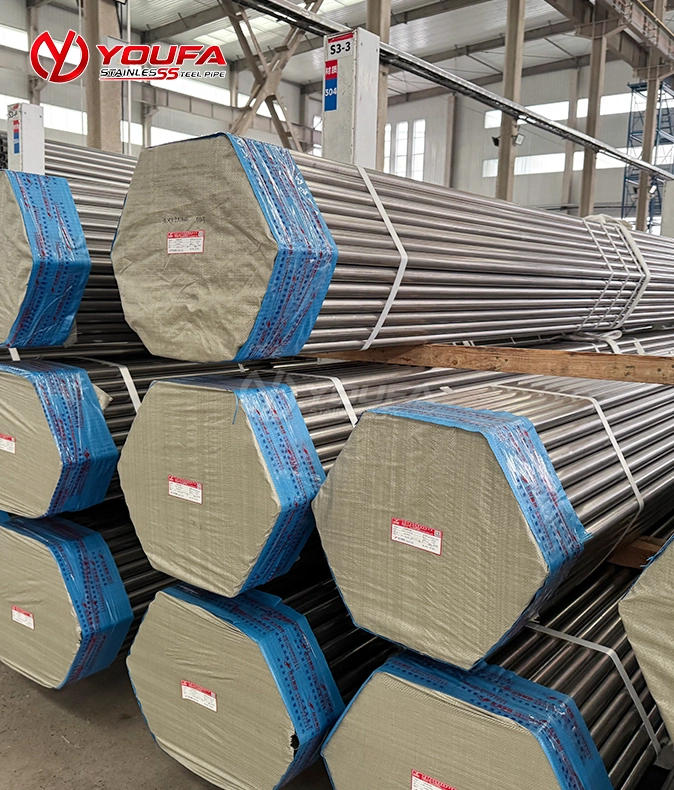
The total landing cost should include the price of the materials, the freight, the taxes, and the costs of keeping the inventory. Container shipping is the most cost-effective way to ship normal pipe sizes, while break-bulk shipping is best for large-diameter or extra-long pipes. Surface finishes are kept safe during foreign shipping by our use of hexagonal-shaped wooden boxes and woven bags for packing. Think about stocking plans that balance just-in-time shipping with extra spare parts in case they are needed.
Best Practices for Handling, Welding, and Maintenance of TP304H Pipes the Right Way
If you build and maintain high-temperature pipe systems correctly, they will last longer and be safer. This will protect your investment and make sure they work reliably.
Pre-Installation Inspection and Handling
Shipping damage can be found visually upon receiving ASTM A312 TP304H Stainless Steel Pipes, before work starts. Check surfaces for gouges, dents, or handling marks that could cause stress rust cracks to form. Verify the measurements against the purchase orders and make sure the protective end caps are still in place to keep the inside clean. Keep ASTM A312 TP304H Stainless Steel Pipes away from carbon steel materials to prevent iron contamination. Store them on well-supported wooden racks to avoid sagging.
Clean the ends of the pipes well with liquid degreasers and stainless steel wire brushes before welding to get rid of oils, dirt, and rust. Stay away from chlorine solvents and writing materials that have lead, zinc, or low-melting-point metals in them, as these could weaken liquid metal during service. Plasma cutting with grinding afterward or mechanical cold sawing are two ways to cut pipes to length that leave the fewest heat-affected areas.
Welding Techniques for High-Temperature Service
Joint design affects the quality of the weld and how well it works in the long run. The beveled ends with 37.5-degree curves make it easy to place the root pass metal while reducing the need for filler metal. Root gap sizes of 2 to 3 mm allow for backing gas cleaning, which keeps the weld surface inside from rusting. Argon purge gas keeps oxygen levels below 50 ppm, which stops sugaring, the formation of black oxide scales that weaken rust resistance.
Choose filler metals that are the same as or a little more alloyed than the parent metal. ER308H electrodes work well with TP304H base materials, and ER309 or ER310 fillers give mixed-grade joints extra support. To keep heat intake and grain growth under control, keep interpass temperatures below 150°C (302°F). Stringer bead designs and multi-pass methods make heat-affected zones that are smaller than those made by weave techniques. This means that leftover stresses and distortion are lower.
Treatment after a weld varies depending on the factors of the service. As-welded conditions are usually enough for temperatures below 425°C (797°F). Solution annealing can break down carbides and ease stress in weld metal that is used for service above this level. When full solution annealing is not possible, stable grades like TP321H or TP347H are available. These grades have titanium or niobium carbide formers that keep the chromium from running out.
Preventive Maintenance and Inspection Protocols
Set up regular review times based on how dangerous the operation is and the rules that must be followed. During planned shutdowns, visual checks find surface corrosion, mechanical damage, and support system wear and tear. Non-destructive testing, such as ultrasonic thickness measures, keeps track of how much metal is being lost due to rust or erosion inside the metal. With guided wave ultrasound testing and other advanced methods, lengths of insulated pipe can be inspected without having to remove the insulation. This lowers the cost of inspection.
Scale and deposits that build up on the inside surfaces make heat movement less effective and can hold acidic species. Using citric acid or special chemical mixtures for cleaning gets rid of iron rust and calcium carbonate deposits while protecting the stainless steel inactive film. Heavy-scaled systems can be cleaned mechanically with rotating brushes or high-pressure water jets. Passivation techniques bring back full corrosion protection after cleaning.
Monitor working settings for changes that could mean the piping system is breaking down. Drops in pressure could mean that deposits or warping are causing problems. Temperature changes can be a sign of scale protection or flow problems. Set up condition tracking tools that track these parameters over time. This will allow for proactive maintenance that stops problems before they happen. This kind of care makes your high-temperature pipe equipment last longer and lowers your total cost of ownership.
Conclusion
When choosing the right materials for high-temperature use, you need to think carefully about how well they handle heat, how well they prevent corrosion, and how reliable they will be in the long run. ASTM A312 TP304H stainless steel pipes serve the majority of elevated temperature applications through controlled carbon content that enhances creep strength above 525°C. When correctly designed, installed, and kept, they have been shown to work well in power generation, petrochemical processing, and aircraft uses. If you work with experienced providers who offer full technical support, clear paperwork, and consistent quality, you can be sure that your piping systems will work safely and reliably for as long as they are supposed to.
FAQ
What temperature range is ASTM A312 TP304H suitable for?
ASTM A312 TP304H stainless steel pipes are designed for elevated temperature service, typically performing reliably in continuous applications up to about 650°C (1202°F). Their higher carbon content enhances creep strength, which makes them particularly suitable for long-term exposure above 525°C (1000°F). Because of this stability under heat, they are widely used in demanding environments such as boilers, superheaters, and heat exchangers, where maintaining structural integrity over time is essential.
How can I verify material authenticity when purchasing?
Ask for Mill Test Certificates that meet the requirements of EN 10204 Type 3.1 or 3.2. These should include full details of the material's chemical makeup and mechanical test results that can be linked to particular heat numbers. Use portable X-ray fluorescence scanners to do Positive Material Identification (PMI) testing as soon as you get it. Third-party checking services are helpful for making sure that something is correct, and they're especially useful for big purchases or important jobs where using a different material could be dangerous.
Partner With YOUFA for Reliable High-Temperature Stainless Steel Piping Solutions
Youfa Stainless Steel Pipe Co., Ltd. is ready to help you with your next high-temperature project by providing complete pipe solutions. With 15 current production lines that can make 50,000 tons of steel each year, we can do this. We are a reliable provider of ASTM A312 TP304H Stainless Steel Pipes to the aerospace, power production, petrochemical, and industrial sectors in the US and around the world. We offer seamless and welded pipes with diameters from NPS 1/8" to 48" and wall thicknesses from Schedule 5S to XXS.
With ISO 9001, PED, and TÜV certifications and an ISO 17025 qualified lab, we make sure that every pipe meets strict quality standards and comes with full paperwork, such as Mill Test Certificates, ultrasonic testing reports, and Positive Material Identification verification. Our technical team gives you application-specific advice based on decades of industrial experience, whether your application needs the cost-effectiveness of TP304H or the heat cycling performance of TP304H. Contact us at info@youfass.com right away to talk about your needs, get cheap quotes, and enjoy the peace of mind that comes with working with one of China's top stainless steel piping makers.
References
1. American Society for Testing and Materials. (2022). ASTM A312/A312M-22: Standard Specification for Seamless, Welded, and Heavily Cold Worked Austenitic Stainless Steel Pipes. West Conshohocken, PA: ASTM International.
2. Davis, J.R. (1994). Stainless Steels: ASM Specialty Handbook. Materials Park, OH: ASM International.
3. McGuire, M.F. (2008). Stainless Steels for Design Engineers. Materials Park, OH: ASM International.
4. Bhadeshia, H.K.D.H. and Honeycombe, R.W.K. (2017). Steels: Microstructure and Properties, Fourth Edition. Oxford: Butterworth-Heinemann.
5. American Society of Mechanical Engineers. (2020). ASME B31.3: Process Piping. New York: ASME Press.
6. Lai, G.Y. (2007). High-Temperature Corrosion and Materials Applications. Materials Park, OH: ASM International.
Online Message
YOU MAY LIKE
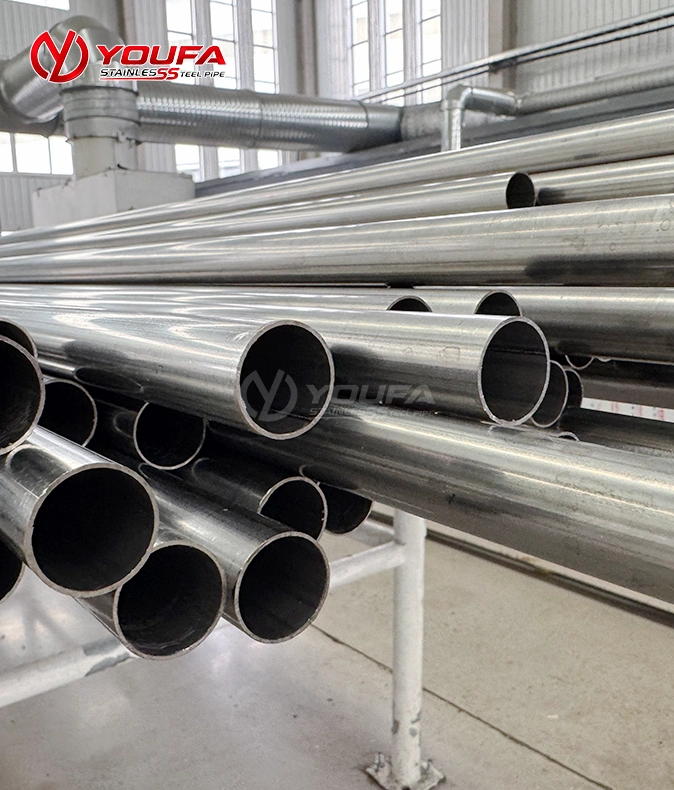
ASTM A249 S31254 Heat Exchanger Tubes
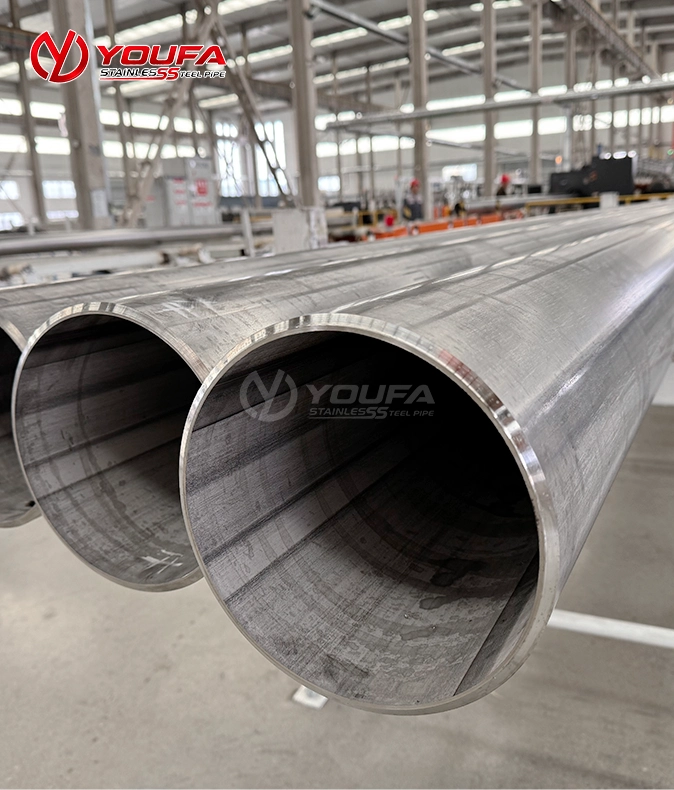
ASTM A312 TP304H Stainless Steel Pipes
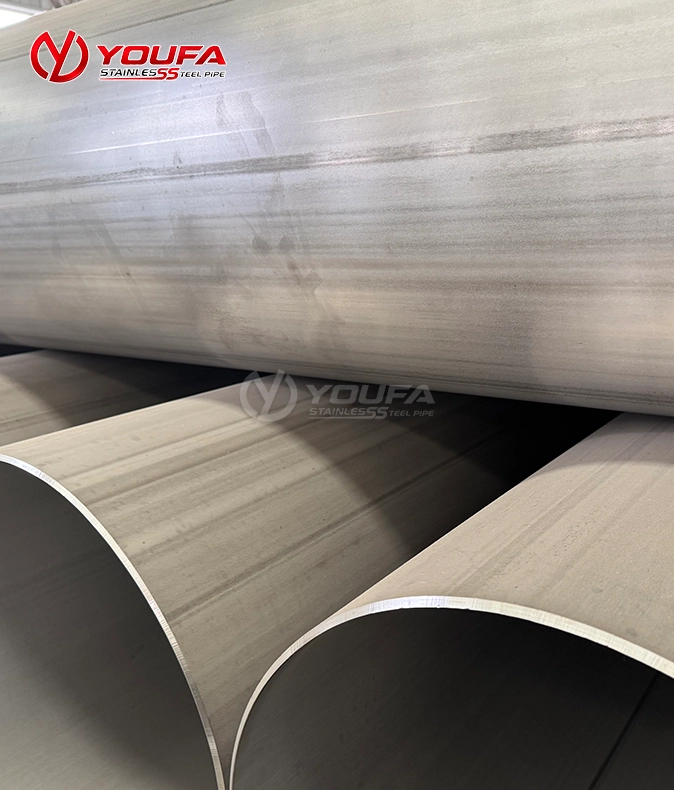
EN 10217-7 1.4401 Welded Steel Pipe
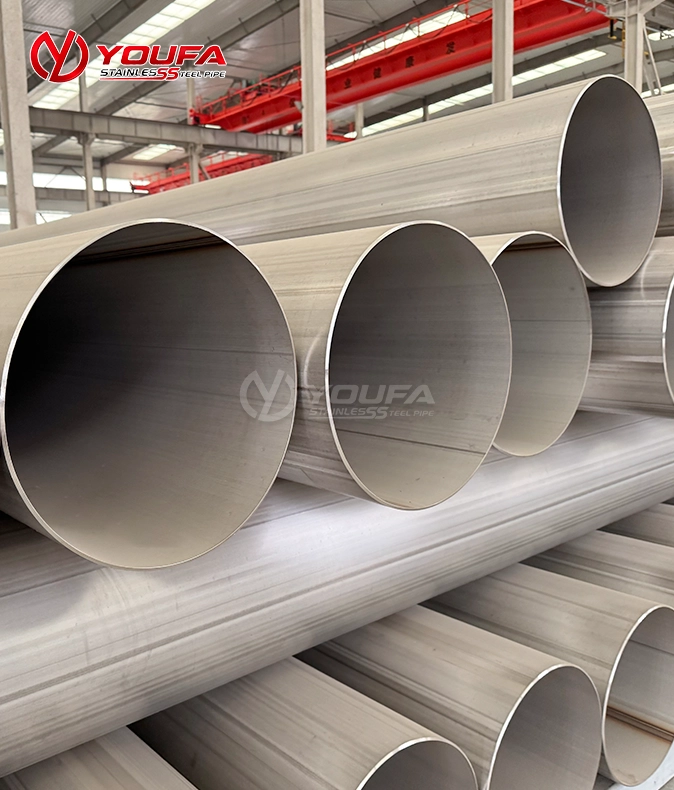
EN 10217-7 Welded Stainless Steel Pipes
ASTM A312 GR TP304L Stainless Steel Pipes
ASTM A213 TP316 TP316L Seamless Tubes
ASTM A790 Super Duplex Stainless Steel Pipes
ASTM A790 UNS S32205 Steel Pipe